How to Read This Guide
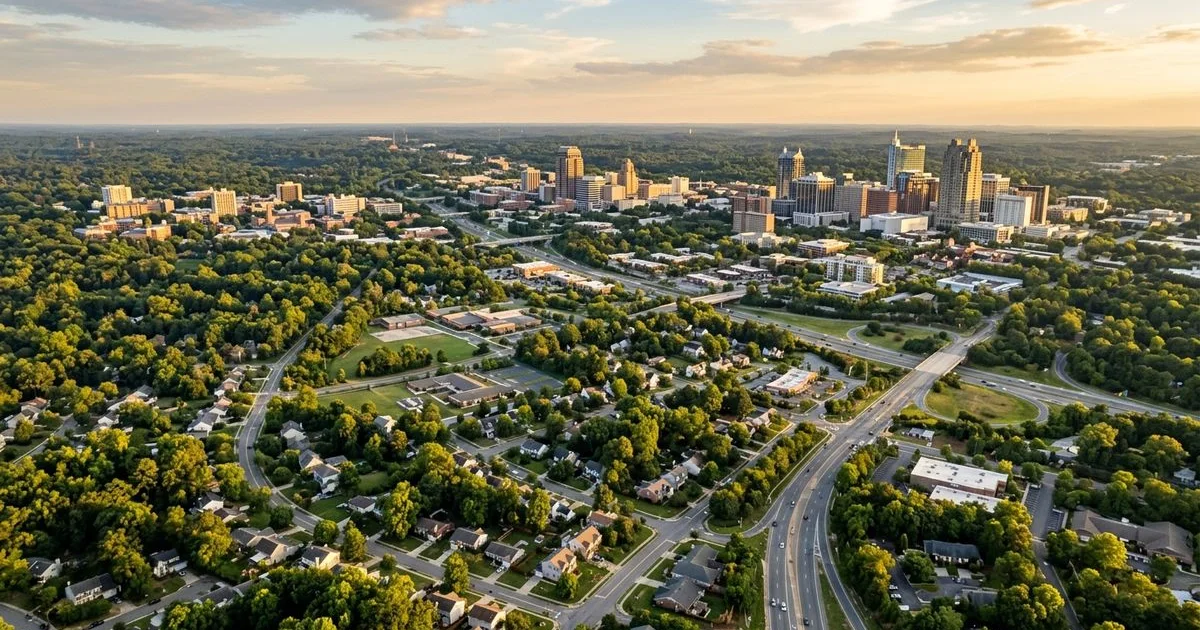
Many investors look at the broader Triangle market and assume high demand guarantees instant cash flow. The reality is far more nuanced, especially heading into 2026.
It all comes down to specific submarkets.
We see buyers competing for properties with very different financial realities. A property in one zip code might offer incredible long-term appreciation, while another a few miles away delivers immediate, stable yields.
If you are exploring the best Durham neighborhoods rental investment options, you must align your personal financial goals with the exact demographic and economic drivers of each area. Durham Elite Property Management focuses on matching your investment strategy to the right local dynamics. Let’s examine the latest data and highlight where the real opportunities exist.
Durham: High Variation by Submarket
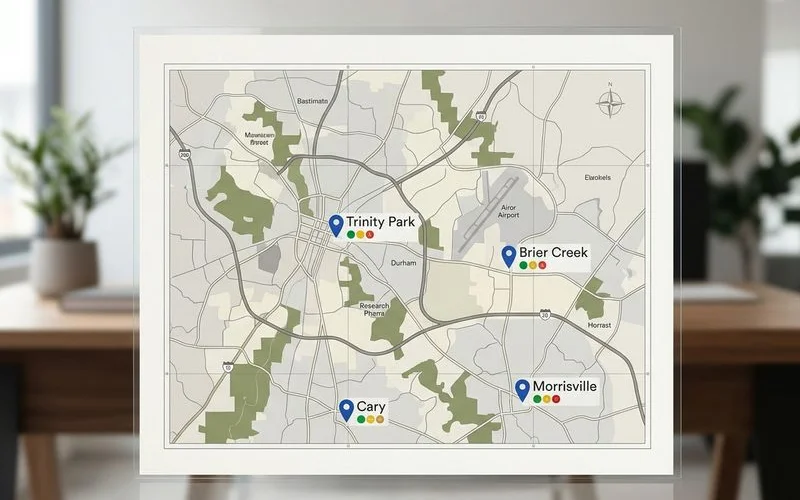
Durham remains one of North Carolina’s most dynamic rental markets. Strong employment from Research Triangle Park and the 68,000-person Duke University academic community keeps occupancy high.
Our property managers actively monitor these distinct micro-markets to maximize returns. Zillow data from early 2026 shows Durham’s average rent hovering around $1,850, while single-family homes command an average of $2,100 monthly.
Historic and Premium Yields
Trinity Park. This historic district features beautiful older homes and steady demand. You will face higher purchase prices here, but the long-term appreciation trajectory is excellent. Recent market reports show gross yields typically land between 5.5% and 6.2%. Older housing stock requires budgeting extra for ongoing maintenance.
Old North Durham. Young professionals and graduate students flock to this area. Lower purchase prices make it a favorite for strong gross yields. A mix of housing types provides a great foundation for a cash-flow strategy.
Ninth Street District & American Tobacco Campus. Walkable urban character defines these zones. Young professional tenants appreciate the proximity to dining and transit. You can charge higher rents per square foot, though available unit counts remain small.
Family Markets and New Development
Hope Valley. Families prioritize this neighborhood for its school catchments and larger lots. Rents run higher, and tenants stay longer. Yields mirror Trinity Park at around 5.5% to 6.2%.
Southpoint. Newer condos and townhomes dominate this sector. Tech-corridor tenants and corporate relocations keep occupancy around 96.2% year-round. Three-bedroom townhomes rent for $2,100 to $2,400. You will encounter heavy HOA involvement, but the steady tenant base offsets tighter yields.
High-Yield Opportunities
East Durham. Value investors often target this area for its high gross yields, which can range from 6.8% to 7.8%. The market absorbed nearly 1,500 new units recently, yet occupancy remained an impressive 95.7%. Strict tenant screening matters more here.
Watts-Hillandale. Duke and NCCU staff provide steady demand for this mixed-character neighborhood. You get a balanced mix of mid-range yields and solid appreciation. Key benefits include:
- Consistent tenant pool from nearby universities.
- Lower turnover rates compared to strictly student-focused areas.
- Steady property value growth without premium urban pricing.
Wake County: Tech Corridor and ITB
The Wake County market continues to stabilize in 2026. Inventory is up roughly 20% year-over-year, handing some negotiating power back to buyers.
We track the Raleigh metro area closely, noting a median home value of roughly $431,000. Tech talent from Research Triangle Park continues to drive steady demand for RTP rental property.
Urban and Executive Rentals
Inside the Beltline (ITB) Raleigh. Premium walkable urban living attracts young professionals. Tenants stay longer, but high purchase prices make this an appreciation play. Historic inventory remains finite, creating a reliable seller’s market.
North Raleigh. Families seeking excellent schools drive demand here. Steady interest from tech-corridor professionals provides consistent occupancy. Newer properties generate fewer immediate maintenance headaches.
Brier Creek. Retail-adjacent properties attract executive renters and frequent travelers. Single-family homes run between $475,000 and $550,000, while townhomes sit between $350,000 and $520,000. Yields run tight, but demand stability is incredibly strong.
The Western Tech Hubs
Cary. Tech-corridor families value the newer, post-2000 housing stock. Purchase prices easily exceed $600,000. Tenants often stay for two to four years, reducing your operational load despite heavy HOA requirements.
Morrisville. An international RTP workforce favors this location. The newly expanded Morrisville Town Center provides walkable amenities and a 2026 library opening. Townhomes priced between $320,000 and $420,000 offer a significant value play compared to neighboring Cary. Corporate-relocation channels matter heavily here due to:
- Immediate proximity to Research Triangle Park campuses.
- Easy access to Raleigh-Durham International Airport.
- Strong demand for shorter, one-to-two year leases.
Orange County: UNC-Driven and Historic
Chapel Hill’s rental market revolves around the University of North Carolina and UNC Health. Days on market reflect a fast pace, typically ranging from 20 to 35 days.
Our portfolio data shows Chapel Hill rents averaging around $1,497 for one-bedroom units. Strict zoning and limited new construction keep inventory very tight.
- Chapel Hill (Franklin Street, Meadowmont, Southern Village). Faculty, graduate students, and medical professionals create strong, recurring demand. The academic calendar dictates timing, with leases heavily clustered in July and August. Premium rents apply to downtown and historic locations. Realtor.com notes median home prices sit near $685,000, making entry costly.
- Hillsborough. Smaller rental inventory characterizes this historic town. Days-on-market stretch longer, but tenants show remarkable loyalty once placed. Historic-home maintenance demands careful attention. The tenant profile consists mostly of commuters heading to Durham or Chapel Hill.
Alamance County: Value Plays
Investors seeking lower entry points often look west to Alamance County. The 2026 market here shows steady rent growth of about 2.44% month-over-month.
We recommend this region for portfolio diversification. Lower purchase prices make it an excellent starting point for newer investors.
- Burlington. Average home prices sit around $200,000, presenting a highly accessible entry point. The return on investment is strong, driven by commuters working in the RTP area.
- Mebane & Graham. Mebane commands slightly higher prices, averaging around $315,000 to $405,000 for active listings. Properties may sit on the market longer than in the Triangle proper. The charm of these historic downtowns provides a unique draw for long-term renters.
Yield vs Appreciation Matrix
Choosing the right neighborhood means balancing immediate cash flow against long-term gains.
We use this framework to help owners set realistic financial expectations. The table below outlines how different Triangle rental investment neighborhoods perform across key metrics.
| Neighborhood | Gross Yield | Appreciation Potential | Operational Load |
|---|---|---|---|
| East Durham | High (6.8% - 7.8%) | Moderate | High (active screening) |
| Trinity Park | Lower (5.5% - 6.2%) | High | Moderate |
| Hope Valley | Moderate | High | Low |
| Brier Creek | Moderate | Moderate | Low |
| Cary (HOA areas) | Moderate | Moderate | Low |
| Morrisville | Moderate | Moderate | Moderate (turnover) |
| Chapel Hill | Lower | High | Moderate (cycle timing) |
| Hillsborough | Moderate | Moderate | Low |
| Burlington/Mebane | Moderate-High | Lower | Low |
Regulatory and HOA Notes
Local regulations drastically impact your management strategy. Ignoring these rules can erase your profit margins entirely.
Our team handles these compliance issues daily, ensuring properties stay profitable and legal. You must factor these constraints into your initial purchase decision.
- Durham Short-Term-Rental Rules. The City of Durham regulates short-term rentals strictly. You must review current ordinances if you are considering an Airbnb strategy versus a traditional residential lease.
- HOA-Heavy Areas. Cary (Preston, Amberly), Morrisville (Park West Village), and parts of Southpoint require strict HOA covenant compliance. Coordinating with HOA boards adds extra work to your management duties.
- Historic-District Preservation. Trinity Park, Old West Durham, and downtown Hillsborough enforce preservation rules. These mandates affect exterior changes and sometimes interior renovations.
Where to Start
Taking the first step requires solid numbers and a clear plan. We always suggest analyzing the raw data before making an offer.
For first-time Triangle investors, our Buying Your First Investment Property in the Research Triangle guide walks the buying-process step by step.
To get specific numbers for a property you’re considering, request a free rental analysis. For the operational picture, see our investment property services to learn how professional management protects your asset.